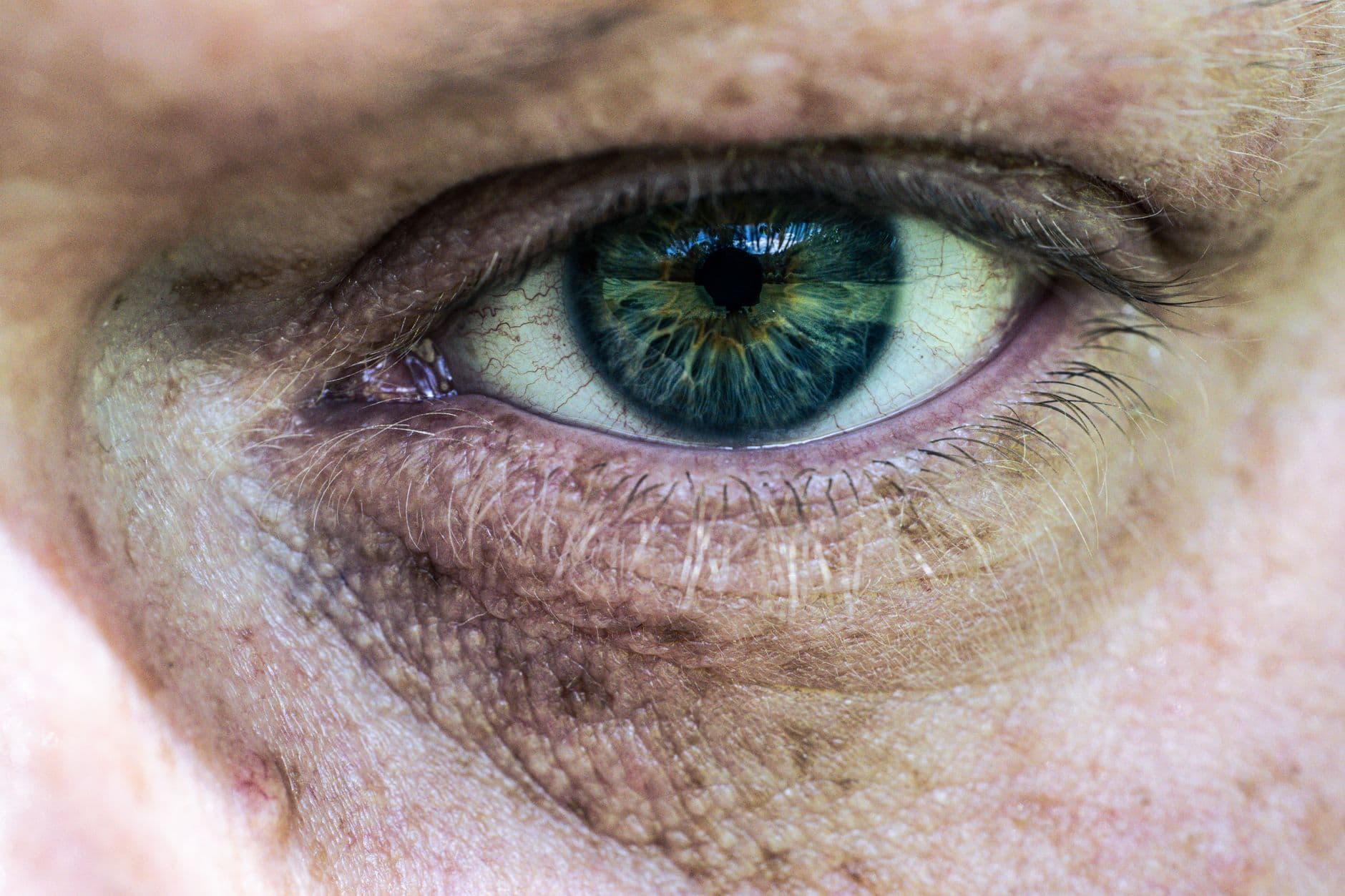
If you’ve noticed that your eyes look tired no matter how much sleep you get, or that excess skin on your upper lids is making you look older than you feel, you’ve probably come across eyelid surgery as a solution. The procedure — medically called blepharoplasty — consistently ranks among the most requested cosmetic surgeries, yet many people don’t fully understand what it involves, who it’s actually for, or what realistic outcomes look like.
Understanding the procedure before committing to it changes how you evaluate whether it’s the right choice for your specific concerns. This isn’t about chasing an arbitrary beauty standard; it’s about addressing functional issues or aesthetic concerns that genuinely affect how you see yourself.
What Eyelid Surgery Actually Corrects
Blepharoplasty addresses specific structural issues around the eyes that develop with age or, in some cases, are present from early adulthood due to genetics. The upper eyelid procedure removes excess skin and sometimes fat that creates hooding, drooping, or heaviness above the eye. When this tissue accumulates enough, it can obstruct peripheral vision or create a perpetually fatigued appearance that doesn’t match how you actually feel.
Lower eyelid surgery targets under-eye bags, puffiness caused by protruding fat pads, and loose skin that creates a hollowed or aged look. Some people develop these changes in their thirties; others don’t see them until much later. The timeline varies significantly based on genetics, sun exposure, lifestyle factors, and the natural structure of your facial anatomy.
It’s worth noting that eyelid surgery isn’t exclusively a women’s procedure — men increasingly seek it for both cosmetic and functional reasons, particularly when drooping lids interfere with vision or professional appearance.
The Consultation: What Surgeons Evaluate
A qualified surgeon doesn’t just look at your eyelids in isolation. The assessment includes your entire eye area anatomy: brow position, cheek structure, tear trough depth, skin quality, and how your facial muscles function. Drooping that appears to come from your eyelid might actually originate from a descended brow, which would require a different surgical approach entirely.
During consultation, expect discussion about your medical history, particularly any conditions affecting healing, blood clotting, or eye health. Dry eye syndrome, thyroid disorders, high blood pressure, and diabetes all influence surgical planning and candidacy. Your surgeon should also assess realistic expectations — what the procedure can and cannot achieve given your specific anatomy.
Upper Versus Lower Lid Procedures
These are often discussed together but involve different techniques and recovery experiences. Upper blepharoplasty typically removes a crescent of skin from the natural eyelid crease, sometimes repositioning or removing small amounts of fat. The incision hides within the crease and becomes nearly invisible once healed.
Lower lid surgery is more variable in approach. Some cases require only fat repositioning through an incision inside the lower lid (transconjunctival approach), leaving no visible scar. Others need skin tightening, which requires an incision just below the lash line. The technique depends entirely on whether your issue is primarily fat-related, skin-related, or both.
Recovery Timeline and What It Actually Feels Like
The first week post-surgery involves bruising, swelling, and sensitivity that most people describe as more uncomfortable than painful. Your eyes may feel tight, dry, or gritty. Vision can be temporarily blurry from ointments and swelling. Most surgeons recommend taking at least a week off work, longer if your job is physically demanding or requires prolonged screen time.
Bruising typically peaks around days three to five, then gradually fades over two weeks. Swelling follows a slower curve — most resolves within three weeks, but subtle puffiness can persist for several months, especially in the mornings. This delayed resolution surprises people who expect to see final results immediately after sutures come out.
Incision lines remain pink and slightly raised for several months before flattening and fading to thin white lines. For upper lids, this happens within the crease and becomes essentially imperceptible. Lower lid incisions, if external, take longer to fully mature but are positioned to be minimally visible.
What Results Look Like Long-Term
Successful blepharoplasty creates a refreshed, alert appearance without looking “done.” The goal isn’t to radically change how you look, but to remove tissue that’s obscuring your natural eye shape or creating an inaccurate impression of fatigue or age. When performed well, people notice you look rested or younger without being able to pinpoint exactly why.
Results are long-lasting but not permanent. Your skin continues aging, and some laxity will eventually return — though you’ll likely never return to the pre-surgery level of excess tissue. Most people find results last ten to fifteen years before considering a revision, if ever. The longevity depends partly on genetics and partly on how well you protect your skin from sun damage and other aging accelerators.
Risks and Realistic Expectations
All surgery carries risk, and eyelid procedures are no exception. Temporary side effects include dry eyes, sensitivity to light, blurred vision, and difficulty closing your eyes completely while swelling persists. Rare but serious complications include infection, scarring, asymmetry, and vision changes. Choosing a board-certified surgeon with specific experience in facial plastic surgery or oculoplastic surgery significantly reduces these risks.
Unrealistic expectations cause more disappointment than surgical complications. Blepharoplasty won’t eliminate dark circles caused by pigmentation or thin skin, won’t lift a sagging brow, and won’t erase crow’s feet or other wrinkles outside the immediate eyelid area. Understanding the specific problem you’re addressing and what the procedure can realistically correct is essential before moving forward.
Is It the Right Procedure for Your Concern?
Eyelid surgery works exceptionally well for excess skin, fat herniation, and hooding that’s genuinely eyelid-related. It doesn’t address issues better solved by brow lifts, facial fillers, laser resurfacing, or skincare. If your primary concern is volume loss in the under-eye area rather than true puffiness, fat grafting or filler might be more appropriate. If your upper lid issue stems from brow descent, a brow lift targets the actual source.
The decision ultimately comes down to whether the specific anatomical issue you have aligns with what blepharoplasty corrects, and whether the recovery, cost, and risks feel proportionate to the improvement you’re seeking. For many people dealing with functional vision obstruction or significant skin redundancy, the answer is clearly yes. For others exploring options to address more subtle concerns, it’s worth thoroughly comparing surgical and non-surgical alternatives before committing.
What matters most is entering the process informed, with realistic expectations, and with a surgeon who takes time to understand what you’re actually trying to achieve rather than defaulting to a one-size-fits-all approach.