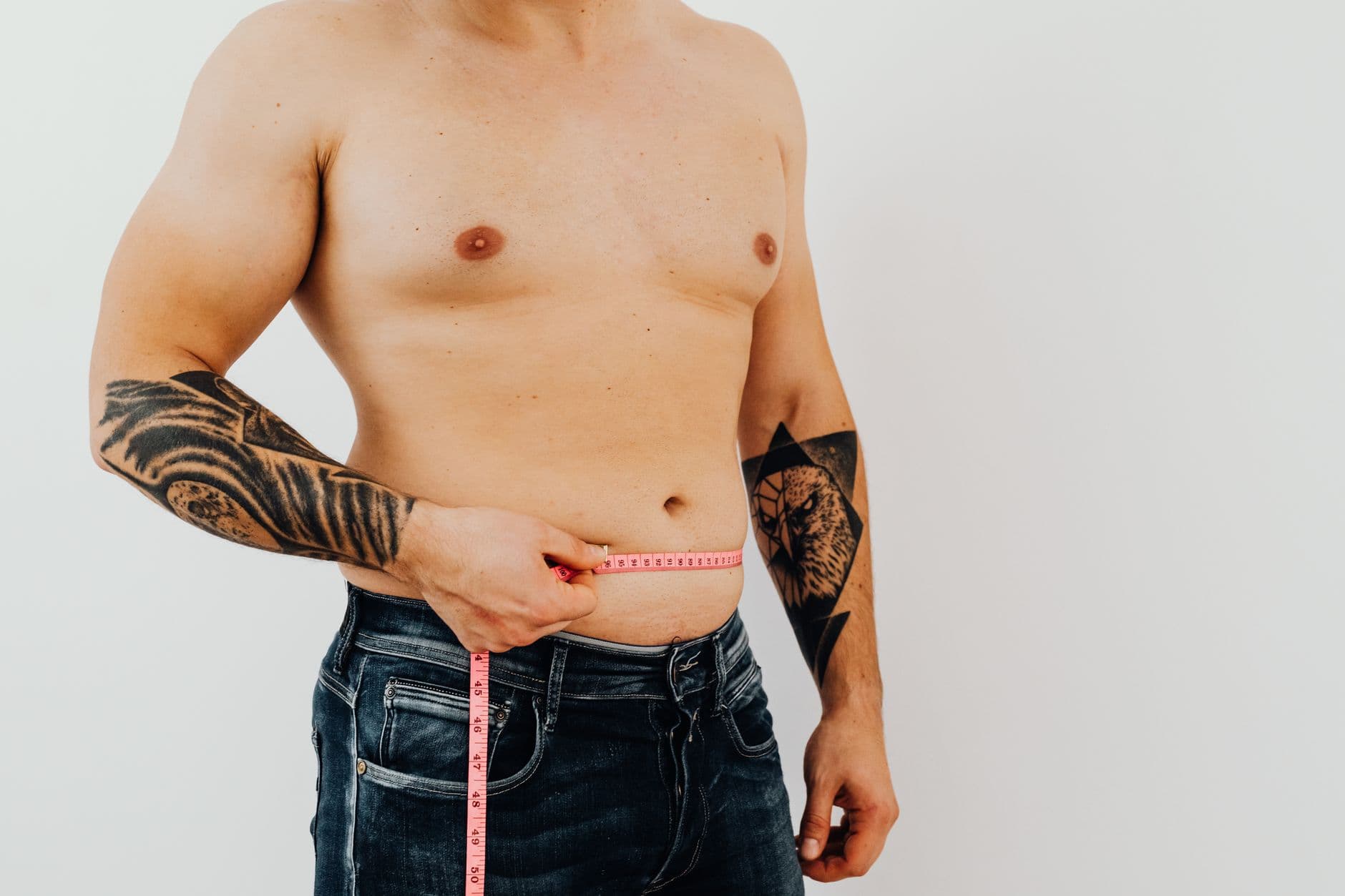
Why This Male Health Condition Matters in Women’s Wellness Circles
When we talk about body image, hormonal health, and cosmetic concerns, the conversation often centers on conditions that primarily affect women. But understanding gynecomastia — the development of excess breast tissue in men — has become increasingly relevant for women who support male partners, raise sons, or work in wellness and aesthetic fields. The condition affects an estimated 30 to 50 percent of men at some point in their lives, yet it remains surrounded by silence and misinformation that prevents many from seeking appropriate care.
Gynecomastia isn’t vanity or exaggeration. It’s a legitimate medical condition with physical and psychological dimensions that mirror many of the body image challenges women navigate throughout their lives. For women who’ve experienced judgment about their bodies or struggled with unwanted physical changes tied to hormones, understanding what men with gynecomastia face can build empathy and open important conversations within families and relationships.
What Actually Causes Gynecomastia
The condition develops when the balance between testosterone and estrogen shifts in a way that allows breast tissue to grow. While we typically think of estrogen as a female hormone, men produce it too, and their bodies normally maintain a ratio that prevents breast tissue development. When that ratio changes — whether from natural hormonal fluctuations, medications, health conditions, or lifestyle factors — tissue growth can occur.
Adolescent boys frequently develop temporary gynecomastia during puberty as hormone levels fluctuate and settle into adult patterns. This typically resolves on its own within six months to two years, though the waiting period can be emotionally difficult for teenagers already navigating social pressures and body consciousness. Older men experience higher rates as testosterone levels decline naturally with age, creating a hormonal environment where even normal estrogen levels can trigger tissue growth.
Certain medications carry gynecomastia as a known side effect, including some treatments for heart conditions, ulcers, anxiety, and prostate issues. Recreational substance use, particularly marijuana and anabolic steroids, can disrupt the hormonal balance significantly. Underlying health conditions affecting the liver, kidneys, or thyroid may also alter hormone metabolism in ways that promote breast tissue development.
The Psychological Weight Beyond Physical Symptoms
Women familiar with the emotional toll of unwanted body changes understand that the psychological impact often outweighs the physical. Men with gynecomastia frequently withdraw from activities that require removing their shirt — swimming, intimate relationships, gym sessions — and may develop posture habits like hunching or crossing arms that attempt to hide their chest. The social stigma remains particularly intense because male breast development contradicts cultural expectations of masculine appearance.
Depression and anxiety rates run higher among men dealing with gynecomastia compared to the general population, yet many resist seeking help because discussing breast tissue feels shameful or emasculating. This mirrors patterns women know well from navigating medical systems that sometimes dismiss aesthetic concerns as trivial, even when they profoundly affect quality of life and mental health.
When to Encourage Medical Evaluation
If a male family member or partner mentions chest changes or you notice he’s avoiding situations where his chest might be visible, a gentle conversation about medical evaluation can make a real difference. Gynecomastia requires proper diagnosis to rule out rare but serious causes, including testicular tumors, pituitary disorders, or other hormonal conditions that need specific treatment beyond addressing the breast tissue itself.
A healthcare provider can distinguish true gynecomastia from pseudogynecomastia, which involves fat accumulation rather than actual breast tissue growth. The distinction matters because the appropriate treatment differs — weight loss and exercise may resolve pseudogynecomastia, while true glandular tissue typically requires medical or surgical intervention. Blood tests checking hormone levels, liver function, kidney function, and thyroid status help identify underlying causes that might be addressed directly.
The Timeline That Determines Treatment Options
Tissue that’s been present for less than a year often responds to medication that blocks estrogen receptors or adjusts the hormonal balance. Once gynecomastia has been present beyond the 12-month mark, the tissue typically becomes fibrotic — meaning it develops a denser, more permanent structure that medication alone won’t resolve. This window makes early evaluation particularly valuable for cases that might still reverse with non-surgical approaches.
Treatment Approaches from Conservative to Surgical
When an underlying cause is identified — a medication, thyroid disorder, or other treatable condition — addressing that root issue sometimes resolves the breast tissue growth. For adolescents experiencing pubertal gynecomastia, watchful waiting with regular monitoring is often appropriate since most cases resolve naturally as hormones stabilize.
Medication options include selective estrogen receptor modulators that block estrogen’s effects on breast tissue, or aromatase inhibitors that reduce estrogen production. These work best for recent-onset gynecomastia and show limited effectiveness once tissue has become established. Side effects and long-term safety considerations mean these aren’t appropriate for everyone, and results vary significantly between individuals.
When Surgery Becomes the Practical Solution
For established gynecomastia that hasn’t responded to other measures, surgical removal offers definitive correction. The procedures range from liposuction alone for cases with significant fat content, to excision of glandular tissue through small incisions around the areola, to more extensive operations for severe cases involving excess skin. Recovery typically involves several weeks of compression garment wear and activity restriction, with most men returning to normal routines within a month.
The decision to pursue surgery involves weighing the physical discomfort and psychological burden of living with the condition against the risks, costs, and recovery requirements of the procedure. It’s a deeply personal calculation that benefits from the same kind of thoughtful consideration women apply when evaluating their own cosmetic procedure options.
How Women Can Offer Meaningful Support
The most valuable support often starts with simply acknowledging that the concern is legitimate. Men dealing with gynecomastia may test the waters with indirect comments or jokes about their chest before revealing how much it actually bothers them. Responding with empathy rather than dismissal — “That sounds really frustrating” rather than “It’s not that noticeable” — creates space for honest conversation.
Sharing your own experiences with unwanted body changes or the emotional process of considering cosmetic procedures can help normalize the feelings without making it about you. The goal is connection, not comparison, but sometimes knowing that someone else understands the specific anxiety of feeling betrayed by your own body makes the isolation less intense.
If he’s considering treatment, offering to help research options, attend consultations, or simply talk through the decision-making process provides concrete support. If he chooses surgery, understanding that recovery involves real physical limitations and potential emotional vulnerability — much like recovering from any procedure that changes your appearance — helps you provide appropriate care during that period.
The Broader Wellness Perspective
Understanding gynecomastia fits into the larger framework of recognizing that hormonal health, body image concerns, and the intersection of physical and psychological wellness aren’t gendered issues — they’re human ones that manifest differently across bodies and life stages. Women who’ve navigated their own hormone-related challenges or body image struggles are often uniquely positioned to recognize when men in their lives are dealing with similar issues under different names.
The silence around male body image concerns serves no one. By extending the same compassion and practical problem-solving we bring to women’s wellness issues, we create space for the men in our lives to address health concerns that significantly impact their quality of life. That expansion of awareness and empathy strengthens relationships and families while contributing to a broader cultural shift toward treating all bodies with the care and respect they deserve.