Why Clear Vision Is Part of the Wellness Conversation
When we talk about aging gracefully and taking care of ourselves, the conversation often centers on skin treatments, hormone balance, and fitness routines. But there’s one aspect of wellness that quietly affects everything else: how clearly you see the world. Vision changes don’t announce themselves with the same urgency as a wrinkle or a new ache, yet they reshape daily life in ways that ripple through confidence, safety, and quality of life.
For many women over 50, cloudy or blurry vision isn’t just an inconvenience — it’s a barrier to staying active, independent, and engaged. Lens implant surgery has become one of the most effective ways to restore that clarity, but understanding what it actually involves, and why it works so well, changes how you think about whether it belongs in your own wellness plan.
What Lens Implant Surgery Actually Is
The term “lens implant surgery” most commonly refers to the procedure used to treat cataracts, though it’s also used for refractive lens exchange in people seeking freedom from glasses or contacts. In both cases, the eye’s natural lens — which has become cloudy, stiff, or less effective — is removed and replaced with an artificial intraocular lens, or IOL.
Cataracts develop when proteins in the eye’s lens clump together, creating a foggy barrier that dims colors, blurs details, and makes bright lights feel blinding. The clouding is gradual, which is why many people don’t realize how much vision they’ve lost until after it’s restored. The surgery itself is outpatient, typically takes 15 to 30 minutes per eye, and has one of the highest success rates in all of medicine.
What makes this procedure particularly relevant to a wellness-focused life is that it’s not just about seeing better — it’s about regaining the ability to do the things that matter. Driving at night. Reading without frustration. Recognizing faces across a room. Cooking without second-guessing measurements. These aren’t minor conveniences; they’re the foundation of autonomy and confidence as we age.
The Connection Between Vision and Overall Wellness
Vision loss has a documented correlation with isolation, depression, and reduced physical activity. When you can’t see clearly, you’re less likely to go for a walk, attend social events, or try new activities — not because you don’t want to, but because navigating the world becomes harder and riskier. Studies have shown that older adults with untreated vision problems are significantly more likely to experience falls, which in turn lead to injuries that can derail independence for months or longer.
On the flip side, restoring clear vision often creates a ripple effect. People report feeling more motivated to exercise, more willing to socialize, and more capable of managing their own daily tasks. The psychological lift that comes from seeing vibrant colors again, or reading a menu without squinting, shouldn’t be underestimated. It’s not vanity — it’s reclaiming a piece of life that had slowly faded.
How the Procedure Works, Step by Step
Understanding the mechanics helps demystify what can feel like an intimidating decision. Before surgery, your ophthalmologist measures your eye to determine the correct power and type of lens implant. There are multiple IOL options available today, from basic monofocal lenses that correct distance vision to advanced multifocal or accommodating lenses that reduce dependence on reading glasses.
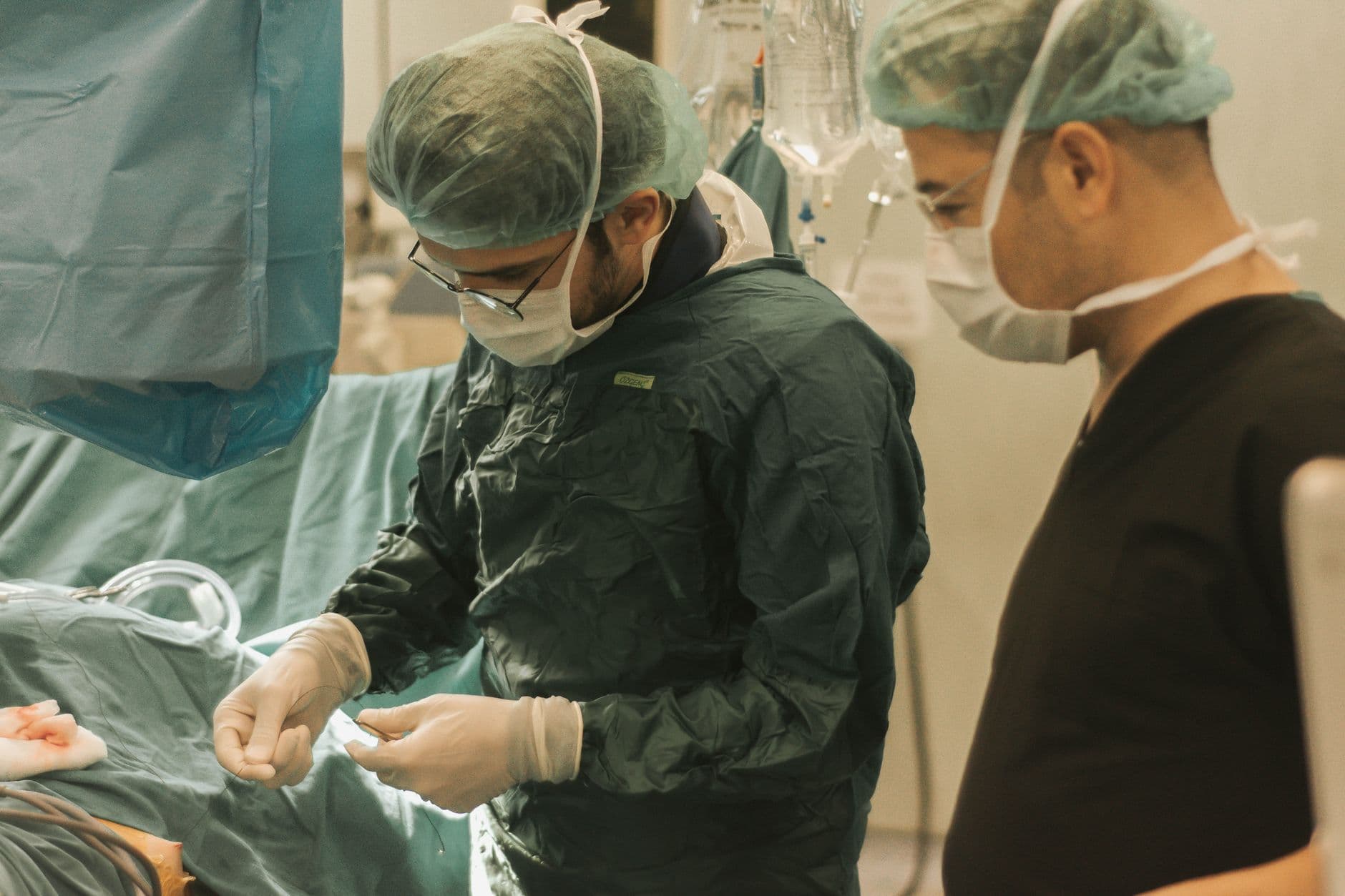
On the day of surgery, the eye is numbed with drops — no needles, no general anesthesia in most cases. A tiny incision is made, and the clouded natural lens is broken up using ultrasound and gently removed. The new artificial lens is inserted through the same small opening and unfolds into place. Because the incision is so small, it typically heals on its own without stitches.
Most people notice improved vision within a day or two, though complete healing takes a few weeks. The new lens is permanent and doesn’t require any maintenance. For many, the clarity is immediate and dramatic — like going from a smudged window to a freshly cleaned one.
When to Consider It, and What Holds People Back
The most common reason people delay lens implant surgery is fear — fear of something going wrong, fear of the unknown, or simply the belief that blurry vision is just something to accept as part of getting older. But waiting too long can make daily tasks unnecessarily difficult and, in some cases, allow cataracts to advance to a stage where surgery becomes more complex.
If you’re finding that glasses no longer help, that colors seem faded, or that glare from headlights or sunlight is becoming unmanageable, those are signs worth discussing with an eye specialist. The surgery is most effective when performed before vision loss becomes severe, and recovery tends to be smoother when overall eye health is still strong.
Another hesitation is the assumption that it’s purely cosmetic or optional. Unlike many elective procedures, cataract surgery is medically necessary for most who need it, and it’s typically covered by insurance once cataracts interfere with daily function. That makes it one of the most accessible vision-restoring options available.
Choosing the Right Lens for Your Lifestyle
One aspect that surprises many people is how much choice is involved in selecting an intraocular lens. Standard monofocal lenses provide excellent distance vision but usually require reading glasses for close-up tasks. Premium lenses, which may involve an additional out-of-pocket cost, can offer multifocal or extended depth-of-focus capabilities, reducing or eliminating the need for glasses altogether.
The decision depends on your priorities. If you spend hours reading, doing detailed craft work, or working on a computer, a lens that supports near and intermediate vision might be worth the investment. If you’re primarily concerned with driving and outdoor activities, a monofocal lens paired with reading glasses may be perfectly sufficient. There’s no universal “best” choice — only the one that aligns with how you actually live.
Recovery and What to Expect
Post-surgery care is straightforward but does require some temporary adjustments. You’ll use prescribed eye drops for a few weeks to prevent infection and reduce inflammation. Avoid rubbing your eyes, swimming, or exposing them to dust or dirt during the initial healing period. Most people return to normal activities within a few days, though heavy lifting and strenuous exercise are typically off-limits for the first week or two.
Vision continues to stabilize over the course of a month. Some people experience mild glare or halos around lights initially, especially at night, but these effects usually diminish as the eye adapts to the new lens. Follow-up appointments ensure everything is healing as expected and give you a chance to address any concerns.
The Bigger Picture: Preventive Care for Aging Eyes
Even if you’re not currently facing cataracts or significant vision problems, understanding lens implant surgery is part of being proactive about long-term wellness. Regular eye exams — especially after age 40 — catch changes early, when options are most flexible and outcomes are most predictable.
Protecting your eyes from UV exposure, managing chronic conditions like diabetes that affect vision, and eating a nutrient-rich diet with plenty of antioxidants all support eye health over time. But when age-related changes do occur, knowing that effective, safe treatments exist removes the anxiety of “what if.”
Taking care of your vision isn’t separate from taking care of the rest of you — it’s foundational to staying active, engaged, and independent. Whether you’re researching options for yourself or simply want to understand what’s available as you age, the clarity that comes from knowledge is just as valuable as the clarity that comes from a new lens.